Jamaican Food Favorites That Showcase Caribbean Flavor
Jamaican food has a way of announcing itself before it reaches the table. You smell pimento wood smoke, thyme, scallion, Scotch bonnet, warm allspice, and that unmistakable savory depth that comes from long marinating, slow braising, or careful frying. Even if someone’s first encounter with Jamaican cooking is a plate of jerk chicken from a roadside grill or a beef patty grabbed on the go, it usually becomes clear very quickly that this cuisine is not built on one note. It is layered, regional, historical, and deeply expressive.
That complexity is part of what makes Jamaican food so compelling. The island’s cooking carries African technique, Indigenous ingredients, British colonial influence, Indian spices, Chinese culinary traces, and the practical wisdom of cooks who learned to make extraordinary meals out of what was local, seasonal, and available. The result is not fusion in the trendy sense. It is a mature food culture with its own grammar. Sweetness rarely appears without heat or acidity nearby. Rich meats are often balanced by pickled vegetables, rice and peas, or fresh fruit drinks. Even humble dishes carry a sense of intention.
For anyone trying to understand Caribbean flavor beyond postcards and clichés, Jamaica offers some of the clearest examples. Its best known dishes travel well, but the real pleasure comes from seeing how they fit together, from breakfast through late-night street food, from celebration meals to everyday lunches wrapped in foil. What follows is a close look at the Jamaican favorites that most vividly show the island’s range.
Jerk, the dish most people know, and the one they often misunderstand
Jerk is probably the most recognized Jamaican food outside the Caribbean, and also one of the most simplified. Many people treat it as a bottled sauce or a synonym for heat. In practice, jerk is a seasoning method and a style of cooking with deep roots, usually built around Scotch bonnet peppers, scallion, thyme, allspice, ginger, garlic, and salt, often with soy sauce, vinegar, brown sugar, or other additions depending on the cook. The balance matters more than any single ingredient. A good jerk marinade should hit warm spice, herbal sharpness, fresh heat, and salinity before smoke ever enters the picture.
Traditional jerk cooking, especially with pork, relies on slow smoking over pimento wood. That detail matters because allspice berries and pimento wood create a flavor that cannot be faked easily with liquid smoke or generic barbecue methods. On the island, jerk centers often hold meat over cut drums or open grills, with smoke doing just as much work as the seasoning. The outside gets dark and crusted, the inside stays juicy, and the finished meat is chopped rather than sliced in neat restaurant portions. It feels informal, but there is skill behind every stage.
Jerk chicken is the most common version internationally, and when it is done well it earns its fame. The skin blisters and chars, fat renders slowly, and the marinade penetrates enough to flavor the flesh without turning it mushy. Jerk pork, though, is often the stronger expression of the style because pork absorbs smoke beautifully and carries spice with more weight. In Jamaica, both might be served with festival, roasted breadfruit, hard dough bread, or simply a heap of sliced onions and a pool of pepper sauce.
One mistake I see often in restaurants outside Jamaica is the tendency to make jerk aggressively sweet. That usually happens when cooks treat it like American barbecue glaze. Real jerk can have a little sweetness, but sugar should never flatten the allspice or mask the clean, bright bite of thyme and scallion. If the result tastes like candy heat, something has gone wrong.
Ackee and saltfish, the national dish for good reason
Few plates say Jamaica as clearly as ackee and saltfish. It is a breakfast staple, but it also appears at brunches, family gatherings, and holiday tables. Ackee, the soft yellow fruit that looks almost like scrambled eggs when cooked, is delicate and buttery when handled properly. Saltfish, usually salted cod that has been soaked and simmered to remove excess salt, brings chew, savoriness, and structure. Together, they create a dish that feels both comforting and distinctive.
The supporting cast matters. Onion, tomato, scallion, thyme, black pepper, and Scotch bonnet usually round it out. Some versions are soft and almost creamy. Others are drier and more broken up. The best ones keep the ackee intact enough to preserve its texture. Overstirring turns the dish into a mash, which misses the point. A skilled cook knows when to fold rather than stir.
Ackee and saltfish is rarely eaten alone. It shows up with fried dumplings, boiled green banana, roasted breadfruit, bammy, or yam. That plate tells you a lot about Jamaican cooking as a whole. Protein is present, but starches are not filler. They are part of the meal’s architecture, each one offering a different contrast. Fried dumpling gives crispness and density, green banana gives firmness and slight astringency, while breadfruit brings a dry, almost chestnut-like depth that pairs especially well with salty fish.
There is also a cultural point worth noting. For visitors, ackee can feel novel because the fruit is uncommon outside the Caribbean. For Jamaicans, it is familiar and ordinary in the best possible sense. It belongs to the rhythms of home cooking. That everyday status is exactly what gives it authority.
Rice and peas, which is rarely just a side dish
Anyone serious about Jamaican food learns quickly that rice and peas deserves more respect than it usually gets abroad. In Jamaica, the “peas” are often kidney beans or gungo peas, depending on the season and the meal. The rice is cooked with coconut milk, thyme, scallion, garlic, and often Scotch bonnet, sometimes left whole to perfume the pot without making it punishingly hot. Good rice and peas should be fragrant and fluffy, never wet, never bland, and never reduced to an afterthought.
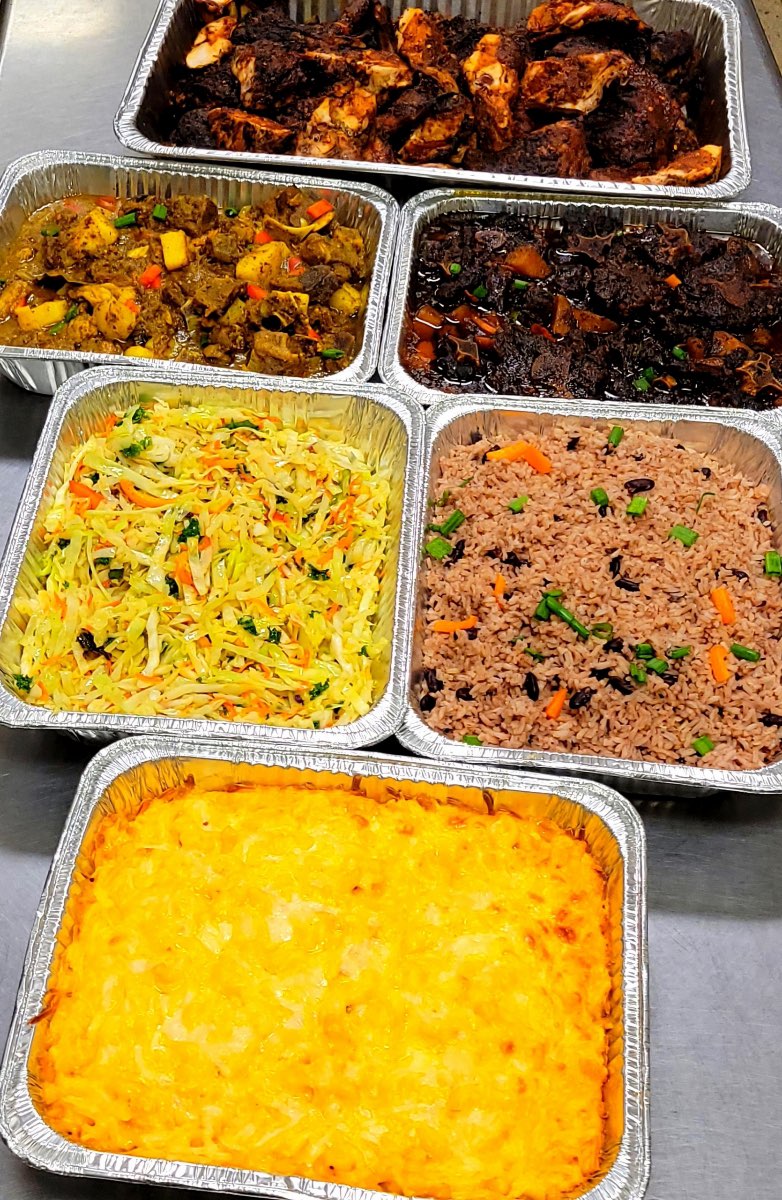
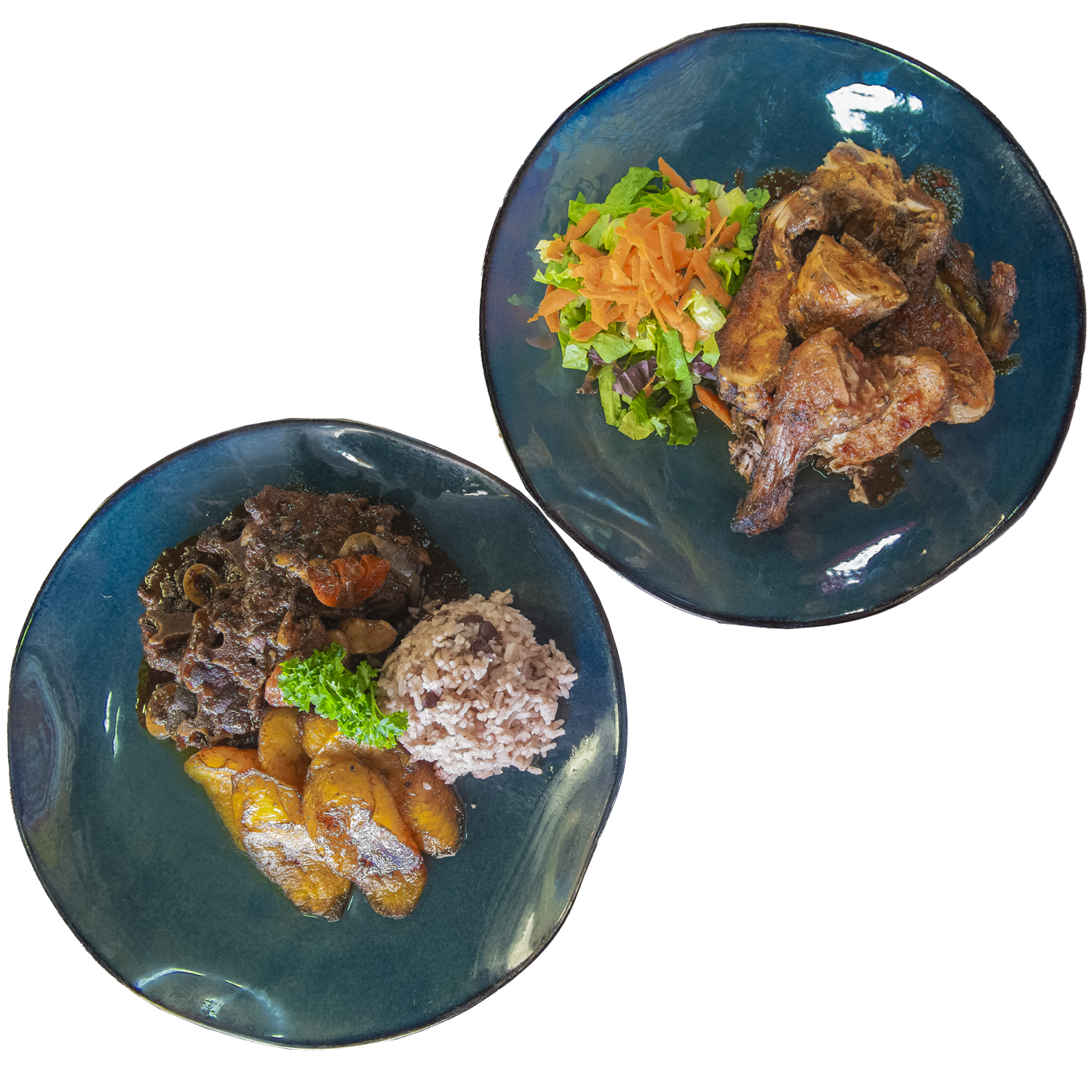
Its role on the plate is structural. It catches gravy from oxtail, balances the fire of jerk, and softens the saltiness of stewed fish or curry goat. I have had versions where the rice itself was memorable enough to compete with the main dish, particularly when cooked over a wood fire or in a large pot where the aromatics had time to bloom properly. Coconut milk should enrich the rice, not make it greasy. That line is fine, and experienced cooks know exactly where it sits.
Sunday dinner in many Jamaican homes and restaurants often features rice and peas because it is generous food, meant for gathering. Paired with braised meats and a cold drink, it becomes part of a larger tradition of taking time with a meal. That sense of pacing matters. Jamaican food is not only about bold flavors. It is also about how those flavors are arranged across a plate so that each bite shifts the experience.
Oxtail, one of the island’s most satisfying braises
Jamaican oxtail is one of those dishes that can win over almost anyone after a single bite. It is rich, sticky, deeply seasoned, and usually cooked until the meat yields easily from the bone. Browning sauce often gives it a dark color and slight bitterness that, when used with restraint, builds depth rather than harshness. Broad beans or butter beans are common in the pot, adding softness and body to the gravy.
The beauty of Jamaican oxtail lies in patience. This is not a quick dish, and it should not taste like one. The braising liquid picks up sweetness from onion and carrot, warmth from allspice and thyme, and savory density from the meat itself. If the cook rushes the process, the sauce can feel thin and the oxtail tough. When the timing is right, the gravy coats a spoon, the beans hold their shape, and the meat seems almost lacquered.
It is also a dish that shows good kitchen judgment. Oxtail is fatty, and that fat is part of the appeal, but the final result still needs control. Too much grease left floating on top and the whole plate becomes heavy. Skim too aggressively and you lose flavor. The best versions land in the middle, lush but not sloppy, rich without becoming tiring after a few bites.
Curry goat and the influence of Indian seasoning traditions
Curry goat is another cornerstone of Jamaican cooking, especially at parties, weddings, and large family events. Its presence says celebration. Goat takes well to assertive seasoning, and Jamaican curry powder, often more turmeric-forward and aromatic than some Indian blends, gives the dish its recognizable color and fragrance. Garlic, ginger, onion, thyme, scallion, and Scotch bonnet usually join the mix, with potatoes sometimes included to absorb flavor and stretch the pot.
A proper curry goat should taste rounded, not dusty or raw. That means the curry needs to be “burned” or toasted in oil early on so the spices wake up and lose their chalky edge. I have had disappointing versions where the seasoning sat on the surface of the meat like an afterthought. The good ones taste integrated, as if the spice and meat grew together.
Texture matters too. Goat should be tender, but not collapsing into strands the way braised beef might. There is a pleasant firmness when it is cooked right, enough bite to remind you that this is a robust meat. Served with white rice or rice and peas, curry goat brings a different flavor profile from jerk or brown stew, proof that Jamaican food is broad enough to hold many spice languages at once.
Patties, coco bread, and the art of fast food done properly
The Jamaican patty is street food, bakery food, school lunch, bus stop food, and late afternoon salvation when hunger arrives before dinner. Its reputation outside Jamaica is sometimes reduced to “spicy meat pie,” but that shorthand misses the craft involved. A good patty shell should be flaky and tinted golden with turmeric or curry. The filling should be moist, well-seasoned, and compact enough not to flood the crust.
Beef is the standard bearer, but chicken, vegetable, saltfish, lobster, and ackee fillings all appear depending on the bakery and the neighborhood. Heat level varies. Some patties carry just a warm back note of pepper. Others announce Scotch bonnet clearly. The best filling usually contains more than heat, with thyme, scallion, black pepper, and a little savoriness from stock or gravy.
Then there is coco bread, the soft, slightly sweet bread often used to cradle a patty. Sliding a hot patty into coco bread is one of those simple moves that reveals a lot about Jamaican eating habits. Texture is doing the work here. The flaky shell meets tender bread, the spiced meat settles into something more substantial, and suddenly a snack becomes a real meal.
If someone wants an accessible way into Jamaican food, patties are usually the easiest starting point. They are portable, affordable, and instantly readable. Yet the difference between an average one and an excellent one is substantial.
Fish, sea edges, and the pull of pepper and escovitch
Being an island cuisine, Jamaican cooking naturally has a strong relationship with fish and seafood. Escovitch fish is one of the clearest examples. Usually made with whole fried fish, often snapper, it is topped with a sharp, hot dressing of vinegar, onions, carrots, pimento berries, and Scotch bonnet. The fish itself should be crisp outside and moist within. The escovitch vegetables should remain lively, not limp from sitting too long.
What makes the dish memorable is contrast. Fried fish brings richness and crunch. The pickled topping cuts through with acid, heat, and sweetness from the vegetables. It wakes up the palate in a way that heavy sauces never could. With bammy on the side, the meal becomes even more characteristically Jamaican. Bammy, made from cassava, has a faint sourness and chewy body that soaks up juices without dissolving.
Brown stewed fish moves in a different direction, relying on browning, peppers, onions, and a rich sauce rather than bright pickling. Steamed fish, often cooked with okra and crackers or provisions, shows another side of the cuisine, gentler and more domestic. These dishes do not always travel as widely as jerk chicken or patties, but they are crucial to understanding the full range of Jamaican food.
Ground provisions and starches that anchor the plate
One of the easiest ways to misread Jamaican cuisine is to focus only on the protein. The starches, often called provisions, are not generic sides. They carry flavor, texture, and cultural memory. Breadfruit, yams, green bananas, dasheen, dumplings, cassava, and plantain all bring something specific.
Fried plantain is the most familiar to many diners, soft and caramelized with dark edges. Festival, slightly sweet fried dough, often appears with jerk and fried fish. Boiled dumplings are dense and satisfying, built for soaking up sauces or pairing with ackee and saltfish. Roasted breadfruit has a dry, starchy, almost nutty profile that works beautifully with smoky meats.
These foods also tell a practical story about sustenance. They fill the table, stretch expensive proteins, and keep meals balanced. On a hot day, a plate of saltfish with boiled provisions can feel more satisfying than something sauced and heavy. On a festive day, fried versions might dominate. Neither approach is accidental. Jamaican meals are often built with appetite, weather, and occasion in mind.
Soups that eat like full meals
Jamaican soups deserve far more attention than they receive internationally. They are often thick, hearty, and substantial enough to stand alone. Red peas soup, typically made with kidney beans and often enriched with salted meat or pig’s tail, is dense and deeply savory. Chicken foot soup, pumpkin soup, mannish water, and fish tea all show different corners of the culinary map.
Fish tea, despite the name, is not tea in the conventional sense. It is a clear, peppery fish broth, often sharpened with herbs and vegetables. Done well, it is clean, restorative, and more delicate than many expect. Pumpkin soup can be velvety but still assertive, particularly when Scotch bonnet and thyme are used carefully.
These soups often include spinners, the small elongated dumplings rolled by hand, which add body and texture. That detail matters because it reflects a wider Jamaican instinct toward meals that nourish in a full-bodied way. Soup is not only a starter. It can be Saturday lunch, recovery food, or the thing that carries a family through a rainy afternoon.
Desserts and drinks that complete the picture
Jamaican flavor is not only savory and hot. The island’s sweets and beverages carry the same sense of boldness and balance. Rum cake, often dark, dense, and soaked enough to stay moist for days, is central at Christmas but loved year-round. Gizzada, with its pinched pastry shell and spiced coconut filling, offers a more rustic pleasure. Toto, a dense coconut cake, and grater cake, made with coconut and sugar, speak to an older style of baking that favors durability and direct flavor over elaborate decoration.
Drinks matter just as much. Sorrel, especially around the holidays, brings tartness and spice from hibiscus, ginger, cloves, and often rum. Ginger beer in Jamaica tends to be stronger and fresher than many commercial versions elsewhere. Irish moss, peanut punch, carrot https://www.showmelocal.com/40349206-reggae-pot-jamaican-grill-centennial juice, and soursop juice each occupy their own niche, from refreshment to indulgence.
Together, they show a recurring Jamaican habit of building complexity from everyday ingredients. Coconut appears in savory and sweet forms. Ginger moves between drink and marinade. Spice never belongs to just one course.
What to order if you want the broadest view of Jamaican food
For someone standing at a Jamaican restaurant counter, especially one with a long menu and little guidance, a few choices will reveal the cuisine’s range quickly.
- Jerk chicken, for smoke, spice, and the island’s most famous seasoning method
- Ackee and saltfish, if available, for a true taste of home-style Jamaican cooking
- Oxtail or curry goat, for slow-cooked depth and celebratory richness
- Escovitch fish, for the bright, peppery side of coastal cooking
- A beef patty with coco bread, for everyday bakery culture and excellent portability
That combination covers street food, breakfast tradition, braised comfort, seafood, and the iconic jerk profile. It also avoids a common trap, which is ordering only the spiciest thing on the menu and assuming that heat tells the whole story.
The details that separate average Jamaican cooking from memorable Jamaican cooking
The more Jamaican food you eat, the more you notice that quality lives in small decisions. Fresh thyme tastes different from dried. Scotch bonnet should bring fruitiness as well as heat. Allspice should smell warm and woody, not stale. Salt cod needs enough soaking to become pleasant but not so much that it loses identity. Rice and peas needs enough coconut to feel rounded, but not so much that every grain tastes oily.
Smoke is another dividing line. Real jerk kissed by pimento wood tastes fundamentally different from grilled meat painted with bottled sauce. Fried fish eaten minutes after cooking retains a crispness that vanishes fast under steam. Patties improve when the crust is fresh and still shattering slightly at the edge. These are practical truths, not romantic ones. Jamaican cooking often appears generous and casual, but precision is tucked inside it.
A final point worth keeping in mind is that there is no single definitive version of many of these dishes. Families argue about sweetness levels in festival, the proper consistency of ackee and saltfish, whether certain vegetables belong in escovitch, or how dark oxtail gravy should be. That is a sign of a living cuisine, not a confused one. The core remains clear even when the details shift.
Why Jamaican food continues to resonate far beyond the island
Jamaican food travels well because it is vivid, but it lasts because it is intelligent. Flavor is built in layers. Texture is taken seriously. Preservation techniques, from salting fish to pickling vegetables, are transformed into pleasure rather than necessity alone. Meals can be festive without becoming fussy. A roadside jerk pan and a family Sunday dinner may look very different, yet both express the same culinary confidence.
For diners, that means Jamaican food offers immediate appeal and long-term reward. The first bite can be dramatic, smoky, peppery, rich. The second and third reveal more, the thyme in the background, the sweetness under the heat, the way a starch steadies a sauce. Few cuisines deliver that kind of directness with so much depth behind it.
If Caribbean flavor is the subject, Jamaican food belongs near the center of the conversation. Not because it is the only important island cuisine, but because it demonstrates so clearly how history, technique, local ingredients, and everyday appetite can produce food with real staying power. Jerk may get people through the door, but the full table, ackee and saltfish, curry goat, escovitch fish, rice and peas, patties, provisions, and all the rest, is what keeps them paying attention.
Reggae Pot Jamaican Grill
7562 S University Blvd C, Centennial, CO 80122
(303) 997-5623
FAQ About jamaican food
What is the best Jamaican food to try in Centennial?
The best choice depends on your preferences. Reggae Pot Jamaican Grill offers jerk chicken, curry goat, oxtail, and escovitch snapper, along with sides such as rice and peas and fried plantains. Ask the restaurant about current availability and spice levels before ordering.
Is Jamaican food very spicy in Centennial?
Heat varies by dish and preparation. Jerk dishes can be hot, while some stews and sides are milder. Tell the restaurant your preferred heat level and ask which options suit you.
What is typically on a Jamaican menu?
Common choices include jerk chicken, curries, oxtail, fish, patties, rice and peas, and plantains. Reggae Pot also lists ackee and saltfish and vegetable dishes. Menus and availability can change, so confirm your choices when ordering.